
2 FREE Ways To Prevent Customer Dissatisfaction Using Psychology
Here's how to reduce customer dissatisfaction before they even make a purchase...using psychology.
Nov 13, 2024
Reduce customer dissatisfaction by adding a fun ritual for emotional attachment or using graphic images to boost perceived value—simple, psychology-based tactics to elevate your brand.
Here’s how to reduce customer dissatisfaction before someone even makes a purchase—using psychology.
I was scrolling Reddit this week (doing some use-case research for a client) when I came across a post that stopped me mid-scroll.
It was about Crumbl Cookie.

Long post, lots of comments…. so here’s the short version:
The original poster claimed that the frosting situation at Crumbl had declined. Less frosting than before. Less drama. Less magic.
They floated an interesting theory:
Maybe Crumbl was doing this on purpose.
Maybe the brand was under-promising visually so customers would be pleasantly surprised when the physical cookie arrived. In theory, this would manage expectations and create “surprise and delight.”
Logical? Sure.
But customers weren’t buying it.
And that’s what made this fascinating.
Because Crumbl may be missing the mark, but not for the reason people think.
They’re missing two very simple, science-backed psychological levers that could reduce dissatisfaction before purchase.
And they’re both free.
That's The Way the Cookie Crumbles...
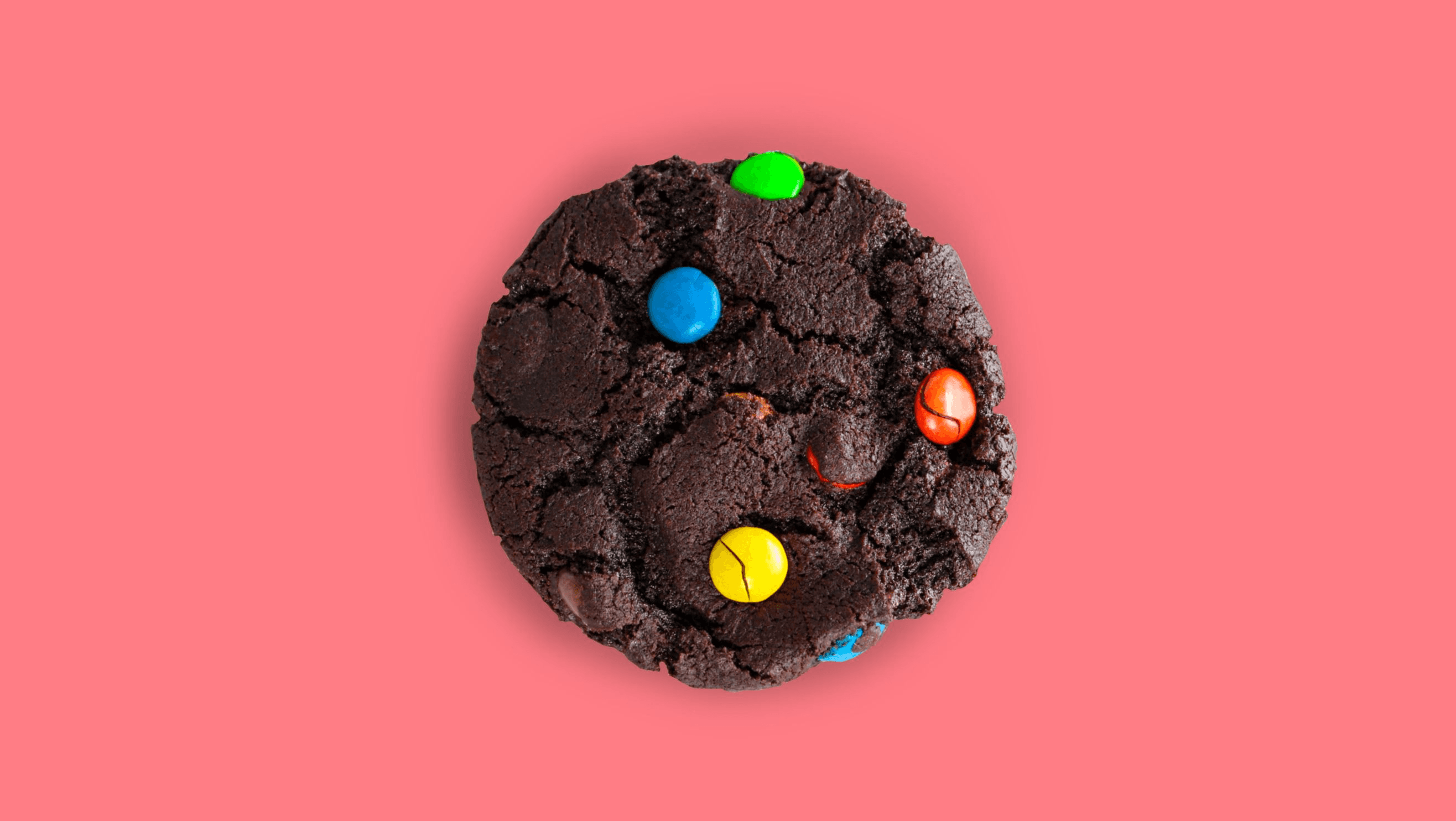
If you’ve never had a Crumbl cookie, let me paint the picture 🤤
These things are:
Massive
Drenched in frosting
Covered in candy, caramel, chocolate, sprinkles, drizzles, crumbles, and chaos
They’re not cookies.
They’re an experience.
And that’s exactly where the problem begins.
Psychologically, humans are terrible at being objective about subjective experiences, especially when emotions are involved.
Customers don’t want “a cookie.”
They want a cookie that blows their socks off.
But online brands face a harsh reality:
Before that cookie reaches someone’s mouth, it’s handled by dozens (sometimes hundreds) of people. That makes perfect consistency nearly impossible.
So the real question isn’t:
“How do we add more frosting?”
It’s:
“How do we protect perception?”
One Smart Cookie
If you take nothing else from this, take this:
It is 10× easier (and cheaper) to improve customer perception than it is to improve the physical product experience.
Most brands respond to dissatisfaction with:
Discounts
Refunds
Bundles
Operational changes
All expensive. All slow.
Psychology is faster.
Here are two science-backed ways Crumbl (or any brand) could reduce dissatisfaction before purchase.
1. Introduce a Weird Ritual
Rituals create emotional attachment.
This isn’t new.
Years ago, Oreo had a similar problem. People liked the cookie, but Oreo needed obsession.
Customers were already twisting the cookie apart before eating it.
So Oreo did something smart:
They made the ritual official.
“Twist. Lick. Dunk.”
They featured it in ads.
They normalized it.
They gave customers a role.
Sales increased.
Why This Works
Rituals shift focus from outcome to participation.
Instead of asking:
“Was this cookie perfect?”
The brain asks:
“Did I perform the experience correctly?”
That protects satisfaction.
🧠 The science:
The science behind this: Recent studies show customers were 74% more likely to purchase and enjoy products when they performed a ritual during their consuming experience.
How Crumbl Could Use This
Crumbl could introduce a simple, playful ritual:
A “cookie affirmation”
A frosting-first bite rule
A branded phrase like “In cookies we trust”
The ritual doesn’t need to be logical.
It needs to be repeatable.
2. Use Unrealistic Images (On Purpose)
Humans are visual—but not objective.
Our brains interpret products differently depending on how they’re presented, not just what they are.
Here’s where it gets interesting.
The Science of Unrealistic Images
A cupcake shown with cartoon / graphic imagery was perceived as 36.9% healthier
A multigrain bread shown with photographs was perceived as 17.7% healthier
Same products.
Different visuals.
Different judgments.
This means positive and negative attributes are filtered through presentation.
Why This Matters for Crumbl
Hyper-realistic food photography creates precision expectations.
If the delivered cookie differs even slightly, dissatisfaction spikes.
Using more graphic or stylized imagery:
Emphasizes experience over accuracy
Reduces expectation rigidity
Protects perceived value
And it costs nothing but time.
How to Reduce Your Customer's Dissatisfaction (Using Psychology)
Start a ritual, and make it fun.
Watch how customers naturally interact with your product. Any repeated behavior is an opportunity. Build it into the experience before consumption.
Use graphics to soften negatives. Use photos to amplify positives.
If precision hurts you, abstract it.
If realism helps you, lean in.
Test both and watch how perception changes (comments are gold here).
The Real Takeaway
Customers don’t get dissatisfied because products are imperfect.
They get dissatisfied when expectations feel violated.
Rituals and visual framing act as identity buffers; they protect customers from regret and protect brands from backlash.
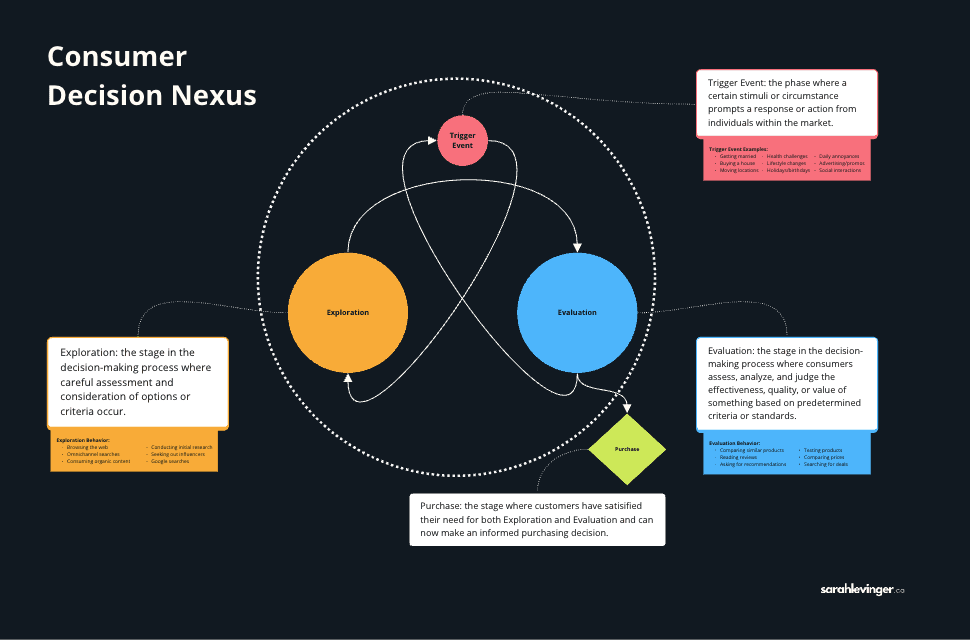
This is exactly the type of perception and expectation pattern CIM is designed to map. CIM identifies emotional drivers, subjective tradeoffs, and psychological framing so brands can reduce friction before dissatisfaction ever appears.

Subscribe to our newsletter and stay 3 steps ahead of the competition
Learn the psychology of marketing + get weekly consumer trends (that are making real money) delivered right to your inbox every Thursday.
"I tested one trend Sarah posted...it spent $30K so far at a 2X ROAS." - A.E.

The proven system behind high performing ad teams. Join today.