
How to Sell 100,000 Extra Units With Psychology-Based Bundling
People want options that fit the problems they're looking to solve. Nintendo used psychology to do just that.
Nov 15, 2024
People don’t want more options.
They want the right options.
Nintendo figured this out the hard way.
Back in the mid-2000s, Nintendo used the same bundling model most brands still use today: fixed bundles.
You know the type:
Console + random game
Pre-selected accessories
Limited flexibility

It looked efficient on paper.
In reality, it quietly killed sales.
Nintendo’s Bundling Problem
Nintendo’s bundles were designed for business convenience, not customer psychology.
The thinking was familiar:
Increase AOV
Move inventory
Push specific SKUs
But customers had a different experience.
Not everyone wanted the same game.
Not everyone valued the same add-ons.
And being forced into a bundle created hesitation.
Instead of buying, customers waited.
“Maybe a better bundle will come later.”
That delay alone was enough to stall growth.
Why Fixed Bundles Don’t Work Psychologically
As someone mildly obsessed with human behavior, bad bundling makes me irrationally angry 😂
Here’s why fixed bundles fail:
They force customers to accept identity mismatch.
Buying a bundle isn’t just a transaction, it’s a statement:
“This fits my life.”
When even one item in the bundle doesn’t align, the brain flags risk:
“I won’t use that.”
“I’m wasting money.”
“This isn’t really for me.”
That’s where friction lives.
Nintendo’s Breakthrough: Blended Bundles
Nintendo made a deceptively simple change.
They introduced Blended Bundles.
Instead of forcing one path, they offered two options side by side:
Buy the bundle at a discount
Or buy each item individually
Same products.
Different psychological outcomes.
This created instant self-segmentation:
Price-conscious customers chose the bundle and didn’t mind a random game
Preference-driven customers bought the console and picked the exact game they wanted
No pressure.
No conflict.
No waiting.

The Science Behind Why This Worked
According to research cited by Forbes:
Consumers often value a bundle less than the sum of its parts due to negative synergy.
Negative synergy = the psychological drag that occurs when bundled items don’t feel naturally connected.

In other words:
Random bundles create confusion
Confusion creates hesitation
Hesitation kills sales
Yet the same research found something critical:
Nintendo sold the most units when it offered both the bundle and the individual products.
Choice didn’t hurt conversion.
Misaligned choice did.
The Real Insight Nintendo Discovered
People don’t buy bundles.
They buy solutions to specific problems.
When bundles are built around:
Inventory needs
Business KPIs
Arbitrary product groupings
Customers feel trapped.
When bundles are built around:
How products are actually used
What customers are trying to accomplish
Different identity needs
Sales accelerate.
Nintendo found the psychological sweet spot and moved 100,000+ additional units by letting customers choose how they wanted to solve their problem.
How to Build a Blended Bundle Model
1. Mix and match based on behavior, not business goals
Bundle products the way customers naturally use them. Think PB&J, not “what do we need to move this quarter.”
2. Sweeten the deal, but keep it believable
Customers aren’t doing spreadsheets. They’re asking, “Does this feel like a deal?” Price accordingly.
3. Break the ice by deeply understanding usage
Don’t ask what customers want. Ask how they use what they already bought. Behavior reveals bundle logic better than surveys ever will.
TL;DR
Fixed bundles fail because they force sameness.
Blended bundles win because they respect identity differences.
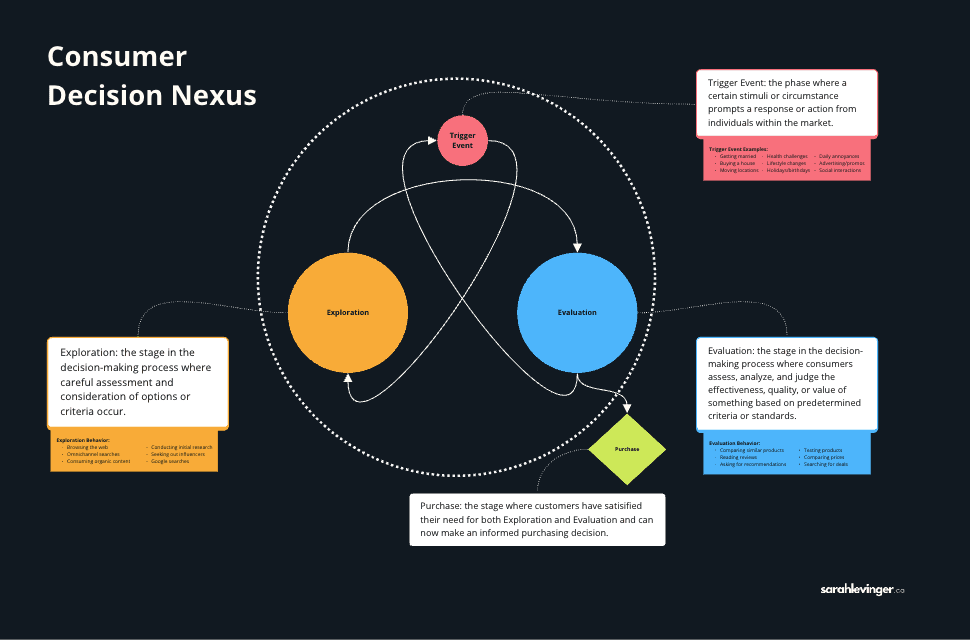
This is exactly the type of decision pattern CIM is designed to uncover. CIM maps the emotional drivers, identity needs, and behavioral mismatches that explain why certain bundles feel obvious and others feel wrong.
Subscribe to our newsletter and stay 3 steps ahead of the competition
Learn the psychology of marketing + get weekly consumer trends (that are making real money) delivered right to your inbox every Thursday.
"I tested one trend Sarah posted...it spent $30K so far at a 2X ROAS." - A.E.

The proven system behind high performing ad teams. Join today.