
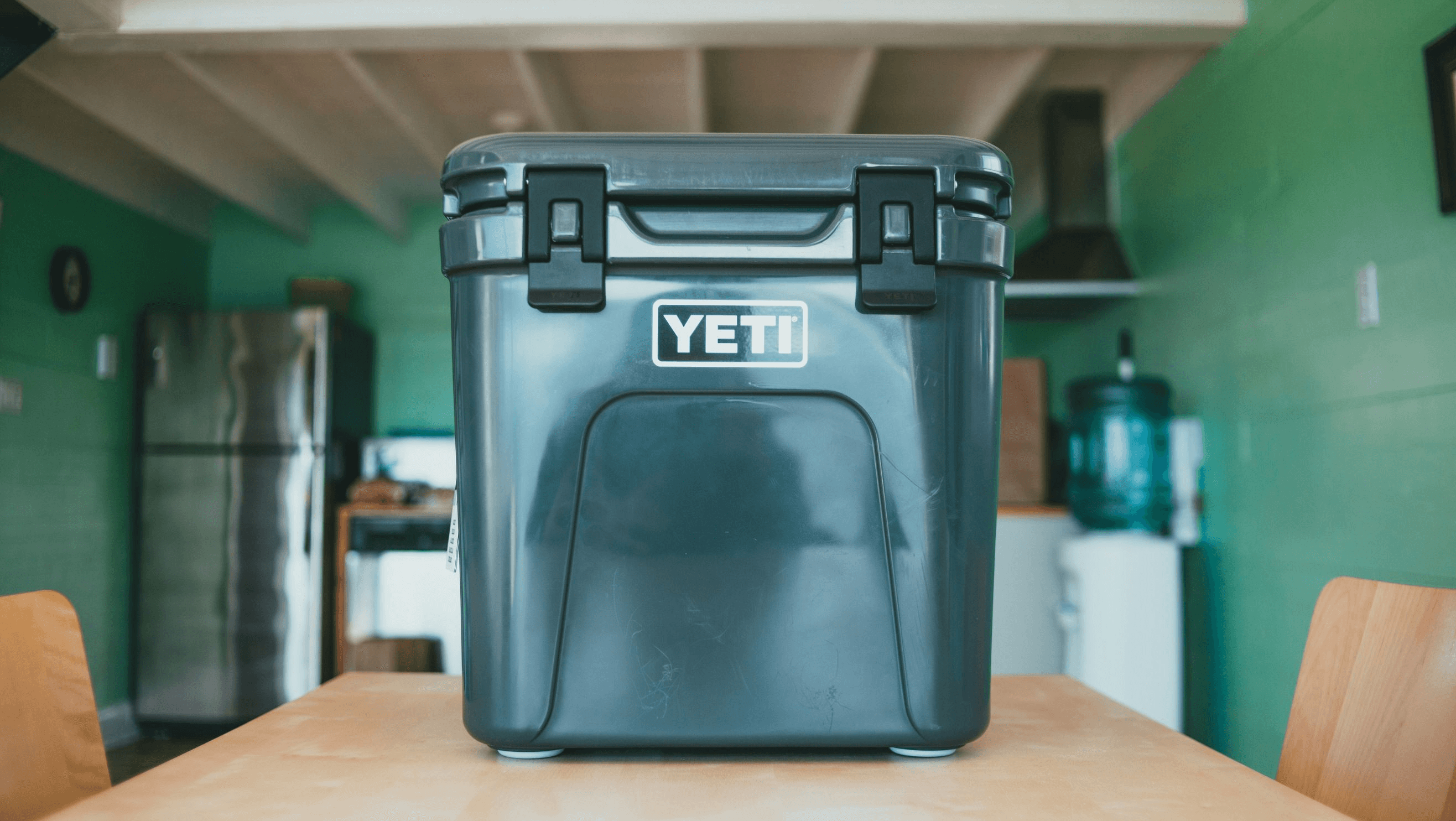
The Best Way to Unlock $917.7M in Profit is to Steal It
To truly grasp the unparalleled success of Yeti, it's essential to unravel why they were successful...psychologically.
Nov 14, 2024
Yeti’s success lies in selling adventure, not just coolers. By aligning with customers’ desired identity and tapping into social belonging, Yeti became a symbol of rugged exploration. Position your product to do the same.
To understand Yeti’s success, you have to understand why it worked psychologically.
Back in 1953, a refrigeration company in Sydney introduced a new product: the portable Esky Auto Box.
It was built from durable steel, dressed up with enamel and chrome, and lined with dense cork so drinks stayed cold for hours. It quickly became the first mass-produced beverage cooler of its time—and basically owned the category for decades.
Then, 71 years later, a brand showed up and dethroned not just Esky… but everyone.
And they did it with an approach so effective it reportedly produced $917.7M in profit from direct-to-consumer channels alone in 2022.
How to Catch a Yeti
Yeti launched in 2006 in Austin, Texas and quickly became the name people say with a weird amount of reverence for… a cooler.
But that’s the point.
Yeti understood something most brands miss:
People don’t buy products. They buy products that promise an identity that fits their current life story.
In other words, people buy things that match how they see themselves on the inside… even if their outside life hasn’t caught up yet.
Yeti didn’t position itself as “a better cooler.”
They positioned itself as a symbol of:
ruggedness
durability
adventurous spirit
They aligned the product with exploration and “the outdoors” in a way that made backyard-BBQ brands feel… irrelevant.
But the real question is: why did that work so well?
How Yeti Stole the Psychological Show
Yeti’s strategy wasn’t complex.
It was clean. Consistent. And deeply human.
1) They used Emotional Resonance to steal attention
Emotional Resonance = messaging that creates a strong emotional match between the brand and what customers want to feel (or become), so it grabs attention without needing to shout.
How they did it:
They sold adventure, not functionality.
They put the product in the center of the experience customers wanted:
lake days
cabins
backwoods trips
“I live differently than everyone else” weekends
Competitors sold “keeps drinks cold at the BBQ.”
Yeti sold “this is what your life looks like when you’re the kind of person who does real stuff.”
That emotional match stole attention fast.
2) They reduced Cognitive Dissonance to lower buyer friction
Cognitive Dissonance = the psychological discomfort people feel when their actions don’t match their identity or beliefs. (If buying feels like it contradicts who you are, you hesitate.)
Yeti needed people to buy expensive coolers without needing heavy persuasion.
How they did it:
They aligned the brand with the traits customers wanted:
rugged
durable
prepared
outdoorsy
capable
So buying a Yeti didn’t feel like “I bought a cooler.”
It felt like:
“I’m the type of person who goes to the lake.”
“I’m the type of person who belongs out there.”
“This is consistent with who I am (or who I’m becoming).”
When a product purchase feels identity-consistent, friction drops.
3) They leveraged Social Identity to tap into longing
Social Identity = the part of someone’s self-concept that comes from the groups they belong to, or want to belong to.
Adventure as a vibe only goes so far, because “outdoorsy” contains a hundred different subgroups.
Yeti’s unlock was belonging.
How they did it:
They baked the “Yeti person” into everything.
Their marketing didn’t just show the product.
It showed the type of people who own it.
So every time a customer shopped, they weren’t choosing between brands.
They were choosing:
“Do I want to be one of them?”
“Do I belong in that group?”
That longing is powerful. And it’s sticky.
How to Steal Attention Like Yeti
Discover which identity your customers already own
Figure out who they are (or want to be) by looking at:
hobbies and weekend behavior
where they go
what they do with friends
what they’re trying to prove (quietly)
Get a full picture of their self-perception.
Put your product in the center of that identity
Don’t show features floating in space.
Put your product in the center of the life they’re trying to live.
Build the experience around it.
Show it in multiple contexts: the more places it can “belong,” the more people it can reach.
Leverage your customer’s social needs
Belonging is the cheat code.
Position your product as a bridge into the group they crave.
Influencers help, sure… but you can also build an ideal character your customers latch onto and recognize themselves in.
And when you get stuck, study Yeti again.
They’re a masterclass in marketing to the mind.
The Real Takeaway
Yeti didn’t win by being a cooler.
They won by being an identity upgrade powered by:
Emotional Resonance (attention)
Reduced Cognitive Dissonance (lower friction)
Social Identity (belonging + longing)
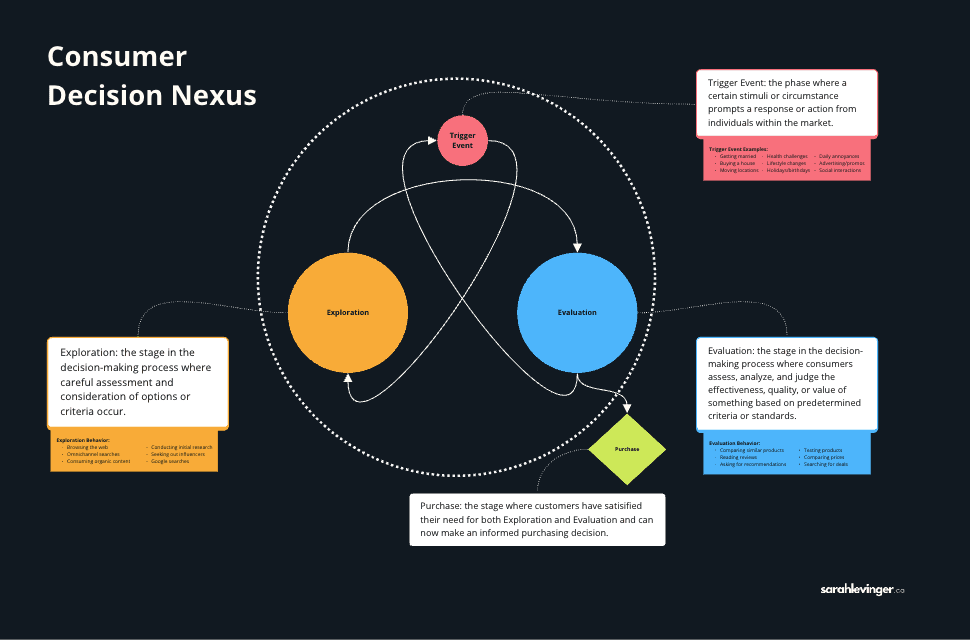
This is exactly the kind of identity pattern CIM is built to isolate. CIM maps the emotional and identity drivers behind why customers choose one brand over another, especially when the product category looks “the same” from the outside.

Subscribe to our newsletter and stay 3 steps ahead of the competition
Learn the psychology of marketing + get weekly consumer trends (that are making real money) delivered right to your inbox every Thursday.
"I tested one trend Sarah posted...it spent $30K so far at a 2X ROAS." - A.E.

The proven system behind high performing ad teams. Join today.