
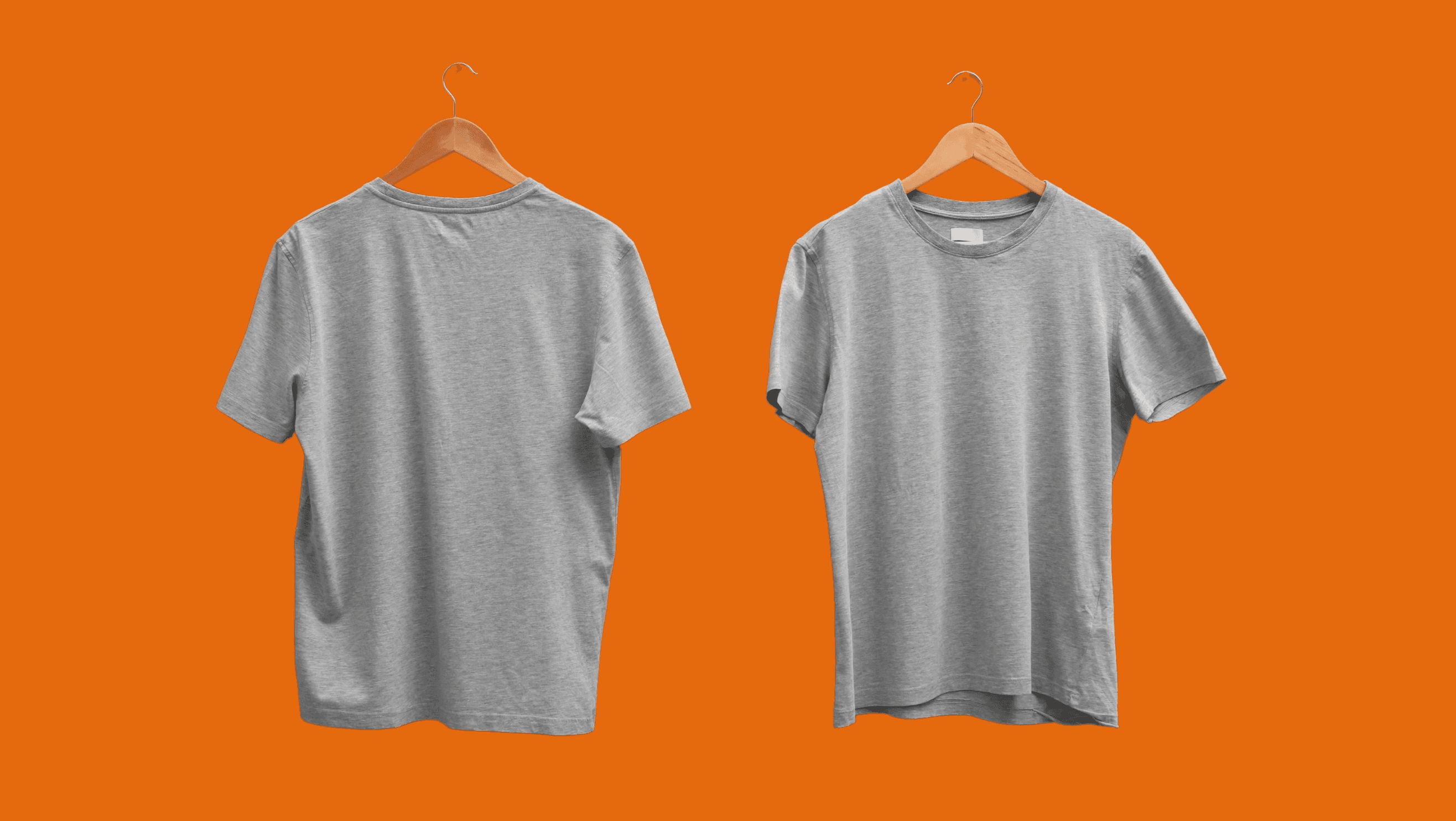
How Columbia Gets Customers to Buy A Basic T-Shirt for $45
Columbia's strategic use of the Framing Effect created an entirely different perception of their product.
Nov 14, 2024
Columbia’s clever use of the Framing Effect turned their UPV apparel into the premium "Omni-Shade" brand, allowing them to charge higher prices and boost customer loyalty by creating an exclusive perception. Discover how strategic framing can elevate your brand and attract high-value customers.
Columbia’s strategic use of the Framing Effect created an entirely different perception of their product.
My mother-in-law is a serious gardener.
Like… serious serious. She’s outside constantly, talking to plants, digging in the dirt, and casually ignoring the sun like it’s not actively trying to murder her skin. The problem? She hates sunscreen.
Last week she came home wearing something new: an Omni-Shade™ UPF Sun Protective Shirt from Columbia.
Price tag: $45.
Purchased at: REI.
My marketer brain immediately fired off:
“Please. That’s just branding. No way this is actually different.”
Turns out… I was wrong.
Wait… UPF Is Actually Real?
According to the Skin Cancer Foundation:
Ultraviolet Protection Factor (UPF) indicates how much UV radiation (both UVB and UVA) a fabric allows to reach your skin. A UPF 50 fabric blocks 98% of the sun’s rays.
So yes—UPF protective clothing is real 🤯
But here’s the real question:
If UPF is real…
Why does Columbia sell a shirt for $45 when others sell “the same thing” for $15–$30?
That’s where psychology comes in.

How to Get People to Think You're Cooler Than Everyone Else
Columbia is not a small brand. They’ve been a dominant player in outdoor apparel for decades and pulled in $3.5B in revenue in 2022.
But dominance doesn’t remove competition, it increases it.
When it came to UPF shirts, Columbia faced a crowded, undifferentiated market:
Walmart: $15.99 generic UPF shirt
Target: $22.99 generic UPF shirt
REI: $29.95 generic UPF shirt
Columbia knew two things:
They had the brand equity to charge more
They could not allow customers to mentally compare them to anyone else
So instead of competing on features or price, they reframed the entire product category using one powerful heuristic:
The Framing Effect
The Framing Effect explains how the way information is presented dramatically changes how it’s perceived, and whether someone buys.
It’s not what you say.
It’s how you say it.
And Columbia said it perfectly.

And Columbia knew just what to say.
The Birth of Omni-Shade™
Instead of calling their product a “UPF Sun Protective Shirt,” Columbia created a proprietary name:
Omni-Shade™
That one decision did a lot of heavy lifting.
The name:
Sounds technical
Feels advanced
Signals superiority
Implies exclusivity
“Omni-Shade™” doesn’t feel like clothing.
It feels like technology.
And once something feels like technology, price resistance drops.
Suddenly:
You’re not buying a shirt
You’re investing in protection
You’re making a smart, informed choice
That reframing allowed Columbia to charge more than 2×–3× competitors for a functionally similar product.
And customers happily paid.
Why This Worked Psychologically
Columbia’s use of the Framing Effect did three critical things:
Increased AOV by justifying a higher price
Boosted LTV by differentiating beyond function
Built loyalty by making customers feel superior, informed, and intentional
The product didn’t change.
The identity signal did.
Customers weren’t buying sun protection anymore.
They were buying expert-level gear.
And once someone buys into superiority, comparison stops.
The Real Power Move
At the time of writing, very few brands have invested in naming that lets customers experience superiority before purchase.
That’s the win.
Framing didn’t just change perception, it changed who the product was for:
From “budget-conscious shopper”
To “knowledgeable, prepared, outdoors-savvy buyer”
That’s psychology doing the selling.
How to Use the Framing Effect for Your Brand
If you want to test this yourself:
1. Identify words customers already associate with your benefits
Go beyond function. Include environmental, situational, and emotional benefits.
2. Combine words into something proprietary
Create a name that feels intentional and elevated. (Yes, tools like ChatGPT work well here.)
3. Test before you commit
Run the framed name in ads first. Let performance decide before rolling it out everywhere.
You don’t need Columbia’s budget to test Columbia-level psychology.
TL;DR
People don’t pay more because products are better.
They pay more because products feel different, smarter, and more aligned with who they believe they are.
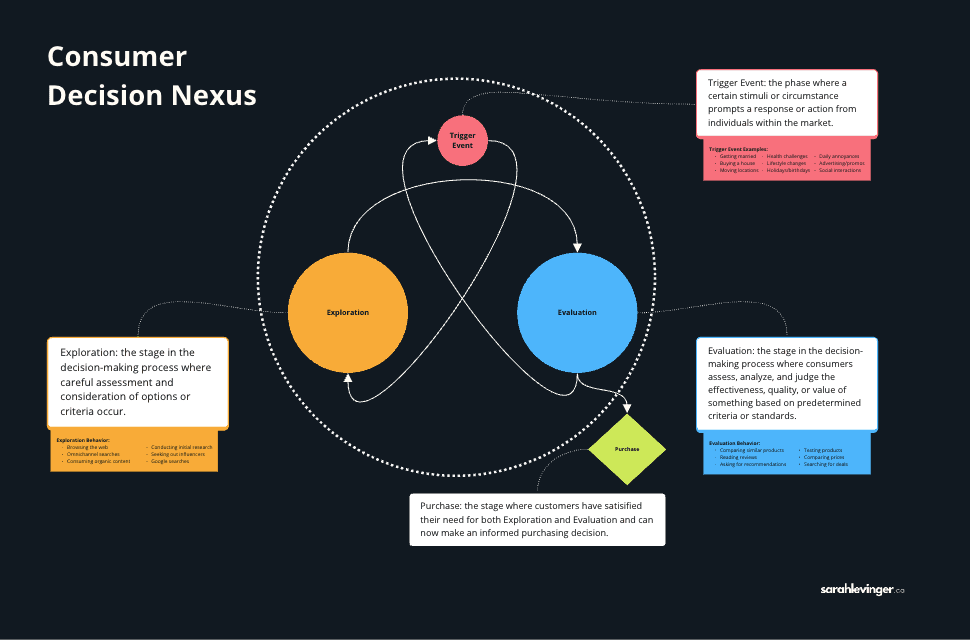
This is exactly the type of identity and perception shift CIM is designed to uncover. CIM maps how framing, language, and emotional signals change value perception—so brands can raise prices without resistance and sell to customers who want to pay more.


Subscribe to our newsletter and stay 3 steps ahead of the competition
Learn the psychology of marketing + get weekly consumer trends (that are making real money) delivered right to your inbox every Thursday.
"I tested one trend Sarah posted...it spent $30K so far at a 2X ROAS." - A.E.

The proven system behind high performing ad teams. Join today.