3 Ways to Get Your Customers Psychologically Hooked on Your Brand
Don't wait for customers to get excited about your product...that's the slow game.
Nov 14, 2024
Don’t wait—generate your own hype! Red Bull turned negatives into positives, used humor, and created thrilling events to build a brand customers love.
3 Ways to Get Your Customers Psychologically Hooked on Your Brand
Don’t wait for customers to get excited about your product.
That’s the slow game.
Let’s rewind to 1987.
Dietrich Mateschitz, an Austrian entrepreneur, is landing in Thailand after a brutal 20+ hour flight. He’s jet-lagged, exhausted, and dragging himself through the airport looking for anything to feel human again.
That’s when he stumbles on a small energy drink locals swear by.
He has no idea yet, but this moment is about to change the trajectory of his career—and modern brand building.
The Rise of Red Bull
Red Bull started small.
Today, it’s worth over $18 billion.
After discovering the Thai energy drink, Mateschitz rebranded and introduced it to Western markets. But unlike traditional soft drinks (sweet, refreshing, easy to love) Red Bull had a problem.
Actually… three.
Red Bull’s Core Problems
Customers didn’t like the taste
Customers had no emotional stake in the brand
The brand was so new that nobody cared yet
And taste is a big deal when your product has to be consumed to work.
So how do you get customers to overlook flavor, form attachment, and buy into something unfamiliar?
Red Bull didn’t fix the product.
They fixed the psychology.
The Genius of Red Bull
1. Turn a Physical Negative Into a Psychological Positive
Instead of reformulating the drink to taste better (which would’ve compromised its functional benefits), Red Bull made a counterintuitive move:
They stopped talking about taste altogether.
By shifting focus away from the physical experience and toward the psychological benefit—energy, alertness, performance—taste became irrelevant.
⭐ Pro tip:
When customers are unsure whether they like something, your job is to either:
Assign a psychological reason for the negative to exist, or
Ignore it entirely and elevate a more valuable benefit
Taste is subjective.
Identity benefits are not.
Even today, many people still debate whether they like the taste of Red Bull, but they love how it makes them feel.
That’s enough.
2. Add a Psychological Incentive (Beyond the Product)
Next, Red Bull layered in humor.
Early Red Bull ads weren’t product demos. They were standalone cartoons: funny, absurd, instantly recognizable.
Slapstick humor. Simple animation. Zero seriousness.
This did two things:
Made the brand memorable
Gave customers a reason to like Red Bull before ever liking the drink
⭐ Pro tip:
When entering a new market, study competitors… then do the opposite 😅
Most brands unconsciously converge on the same visuals and messaging. Over time, everything blends together.
Distinctiveness creates preference.
Humor became Red Bull’s psychological incentive. Even if you didn’t drink it, you got the brand.
3. Create a Category by Advertising Backwards
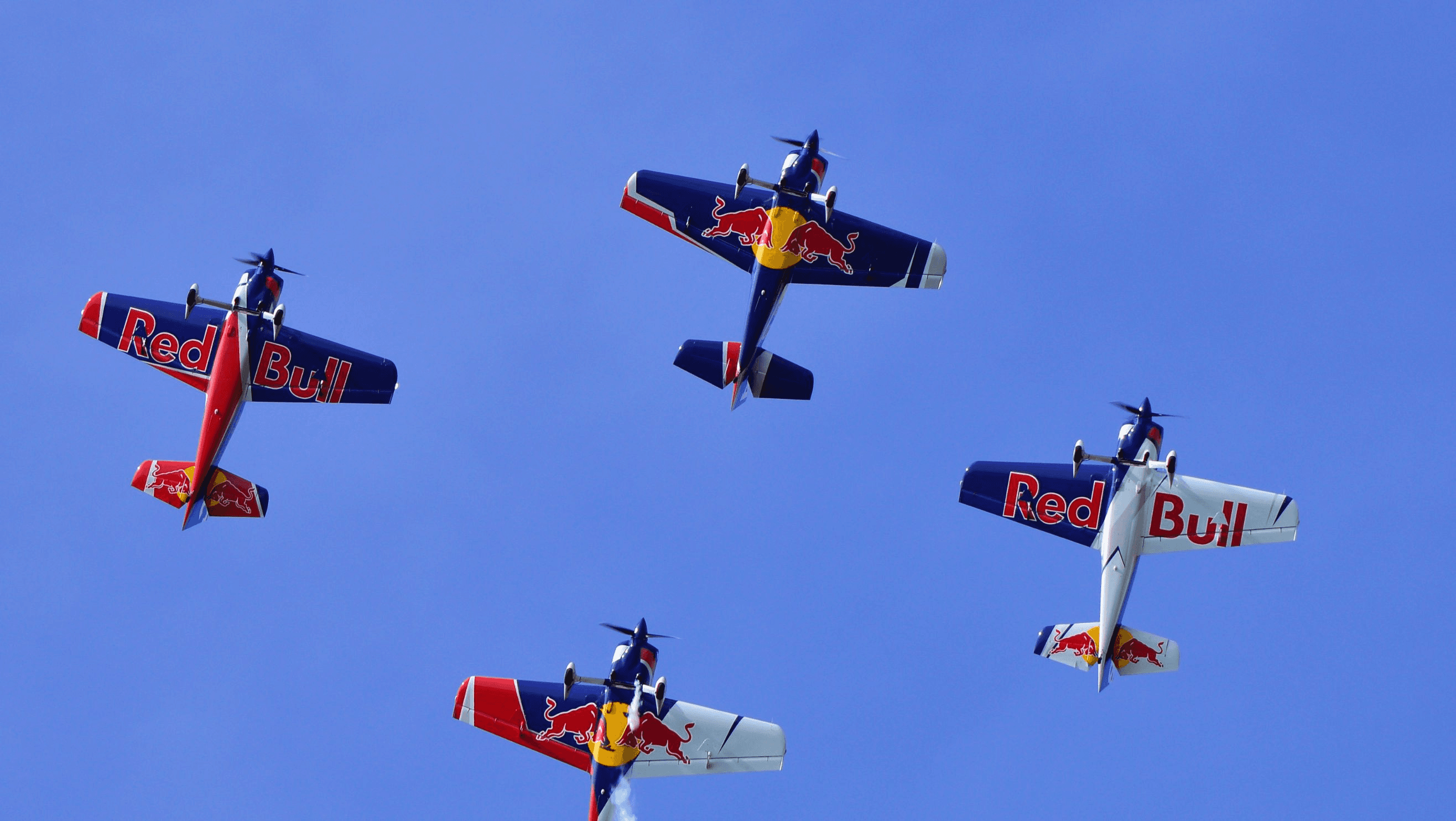
Once Red Bull had awareness, they didn’t chase traditional brand deals or endorsements.
They went big.
Really big.
Instead of attaching themselves to existing culture, Red Bull created their own:
Extreme sports
Adrenaline-fueled events
Spectacles people wanted to be part of
Customers weren’t just buying a drink anymore.
They were buying into an emotion:
Exhilaration.
⭐ Pro tip:
In crowded markets, “go big or go home” isn’t a cliché—it’s survival.
When you create something people can belong to, they attach to what you stand for—not just what you sell.
Red Bull didn’t advertise around hype.
They generated it.
And they’ve been in a category of one ever since.
TL;DR
Red Bull didn’t win by being the best-tasting drink.
They won by:
Turning negatives into psychological positives
Giving customers emotional incentives to buy in
Creating a category and identity customers could attach to
That’s how brands become unforgettable.
How to Do This for Your Brand
Turn negatives into mental positives.
If customers complain about something consistently, don’t rush to eliminate it. Either give it a reason to exist—or elevate a bigger benefit that makes it irrelevant.
Create psychological incentives.
Give customers something to feel beyond the product: humor, education, escape, belonging. Humans need inspiration to stay attached.
Generate your own hype.
Don’t wait for excitement to happen organically. Create the party: events, content series, communities, characters. Let customers enjoy being around you before you ask them to buy.
Reciprocation builds loyalty.
The Real Takeaway
People don’t get hooked on products.
They get hooked on how products make them feel about themselves.
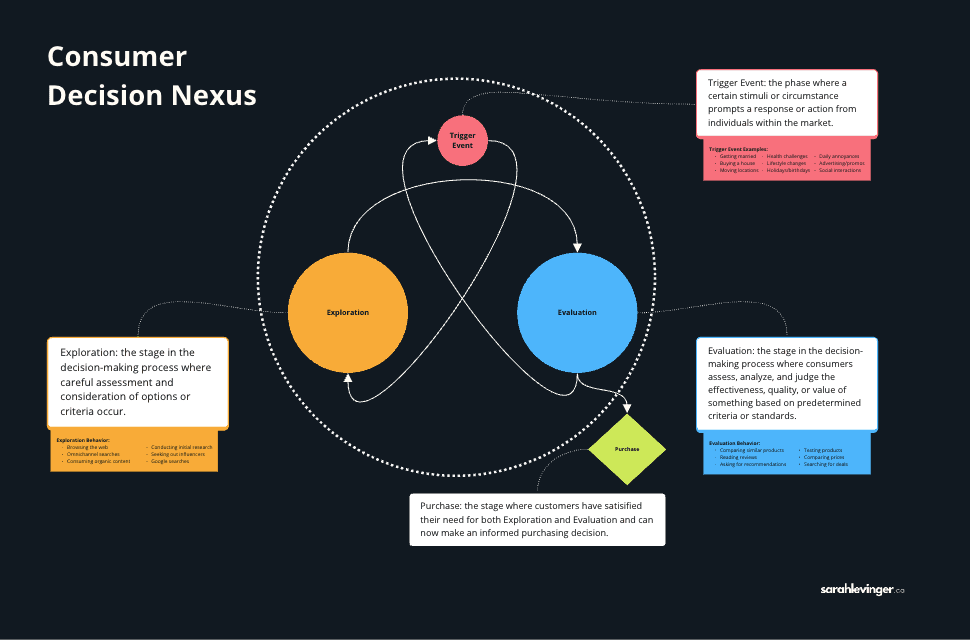
This is exactly the kind of identity-driven insight CIM is designed to uncover. CIM maps emotional drivers, perceived tradeoffs, and identity benefits to explain why customers overlook flaws, stay loyal, and advocate for one brand over another.
Subscribe to our newsletter and stay 3 steps ahead of the competition
Learn the psychology of marketing + get weekly consumer trends (that are making real money) delivered right to your inbox every Thursday.
"I tested one trend Sarah posted...it spent $30K so far at a 2X ROAS." - A.E.

The proven system behind high performing ad teams. Join today.